
For parents whose children love animal stories, Lauren St John does a series of deeply moving stories based in South African. These stories have sparked curiosity and have engaged my children throughout.
A Captivating Blend of Adventure and Compassion
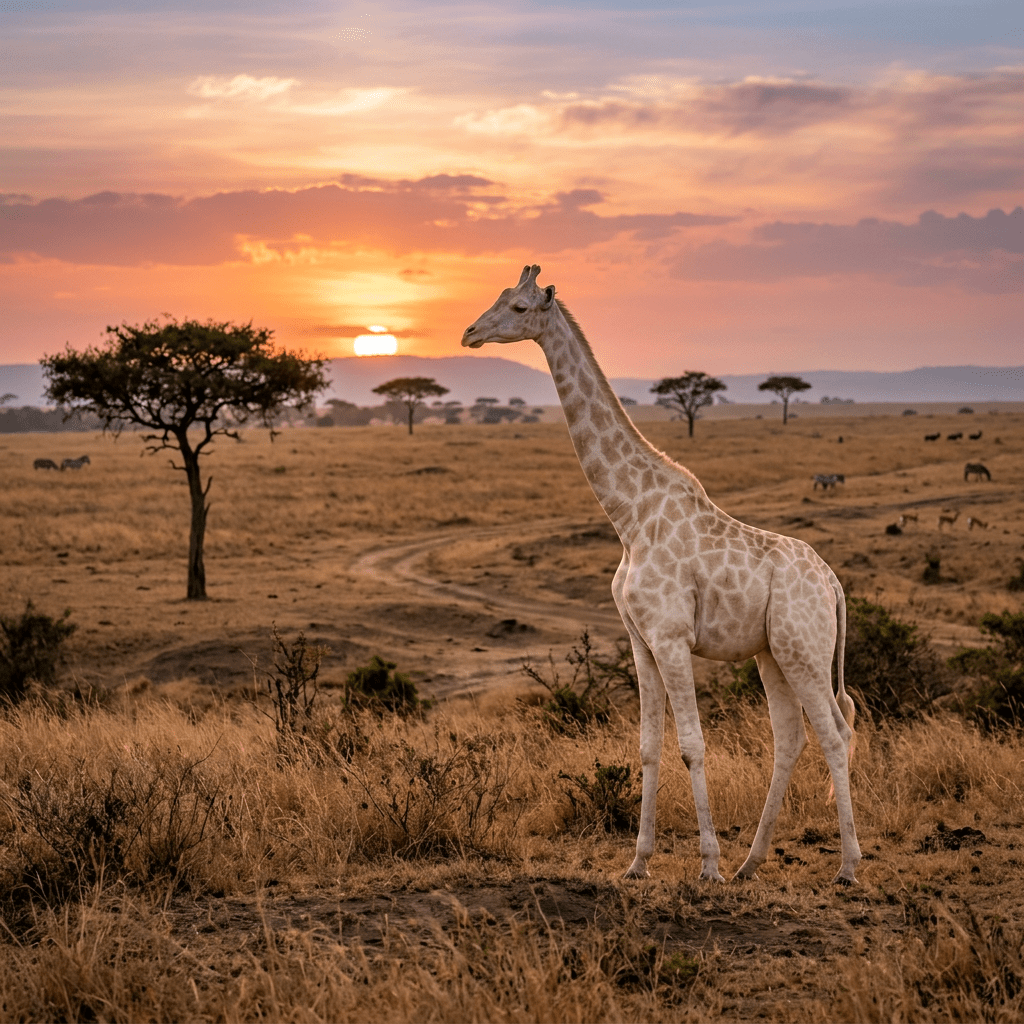
The White Giraffe series introduces readers to Martine, a young girl sent to live on a game reserve in South Africa after a family tragedy. What unfolds is a story filled with mystery, courage, and a profound connection to the natural world. St John’s storytelling draws children in effortlessly, combining page-turning adventure with moments of quiet emotional depth.
One of the most striking aspects of the series is how it handles themes like loss, belonging, and environmental stewardship without becoming overwhelming. Instead, these ideas are woven naturally into the narrative, encouraging children to reflect and empathise without feeling burdened. This aligns beautifully with a gentle parenting approach, where understanding grows through experience and connection rather than instruction.
Why We Cherished This Series of Stories
What makes this series particularly special is its balance between excitement and emotional resonance. The language is vivid yet accessible, painting immersive landscapes while remaining easy for readers to follow. Reading aloud, we found ourselves pausing not because the text was difficult, but because the story invited us to savour its meaning. All three children have conjured an image in their minds of the South African animals and landscape that they have begged to travel there on our next holiday adventure.
Like many families, I approached the opening—where Martine faces the loss of her parents—with some hesitation. It’s never easy introducing such themes to seven and nine year olds. I even questioned whether to continue, but my children were immediately invested. They didn’t want to stop.
As Martine’s journey unfolded—especially her connection with the rare white giraffe—we were completely drawn in. At our local zoo, they are certain they saw the white giraffe before it disappeared into its indoor giraffe house. The combination of wildlife, mystery, and emotional growth kept my children asking for “just one seven more pages and I forever neverending promise” night after night.
There’s something deeply moving about the way St John writes about animals—not as side characters, but as beings with presence and significance. The bond between Martine and the animals she encounters stirred real emotion in our home. Yes, there were tears again—but the meaningful kind that come from truly connecting with a story.
Age Considerations
Initially, I wondered if the themes might be too mature for my children. The series touches on grief, danger, poaching, and identity. However, these elements are handled with such care that they never felt frightening or inappropriate.
My children, aged 7 and 9, were completely engaged and never unsettled. In fact, they seemed to absorb the deeper themes in a natural, thoughtful way. That said, many recommendations place the series around ages 9–12, largely due to its emotional layers and moments of tension.
As always, it depends on the child—but reading together makes it easy to pause, discuss, and support understanding along the way.
Final Thoughts
Lauren St John’s series sits comfortably among the most meaningful children’s literature—stories that offer both adventure and heart. They provide an enriching reading experience that nurtures empathy, curiosity, and a respect for the natural world.
For families who value stories that inspire connection—both emotional and environmental—this series is a wonderful addition to your bookshelf. It opens the door to conversations about courage, kindness, and our relationship with the world around us.
And just like the best stories, it lingers long after the final page—leaving behind a quiet sense of wonder and a desire to keep exploring.

